Adrenergic Receptor
Beta Receptor
Adrenergic receptors are a class of G protein-coupled receptors that are targets of the catecholamines, especially norepinephrine and epinephrine. Many cells possess these receptors, and the binding of a catecholamine to the receptor will generally stimulate the sympathetic nervous system. The sympathetic nervous system is responsible for the fight-or-flight response, which includes widening the pupils of the eye, mobilizing energy, and diverting blood flow from non-essential organs to skeletal muscle. There are two main groups of adrenergic receptors, α and β, with several subtypes. α receptors have the subtypes α1 and α2. β receptors have the subtypes β1, β2 and β3. All three are linked to Gs proteins, which in turn are linked to adenylate cyclase. Agonist binding thus causes a rise in the intracellular concentration of the second messenger cAMP. Downstream effectors of cAMP include cAMP-dependent protein kinase (PKA), which mediates some of the intracellular events following hormone binding.
Adrenergic Receptor Isoform Specific Products
All Product Categories
-
Adrenergic Receptor Inhibitors
(267)
View all products
-
Adrenergic Receptor Agonists
(502)
View all products
-
Adrenergic Receptor Antagonists
(547)
View all products
-
Adrenergic Receptor Activators
(45)
View all products
-
Adrenergic Receptor Modulators
(19)
View all products
-
Adrenergic Receptor Degraders
(2)
View all products
-
Adrenergic Receptor Controls
(8)
View all products
-
Adrenergic Receptor Substrates
(3)
View all products
-
Adrenergic Receptor Ligands
(17)
View all products
-
Adrenergic Receptor Related Products (1628)
Related Products (1628)

-
Antibodies (4)
-
Adrenergic Receptor Isoform Comparison
-
Dihydroergotamine mesylate
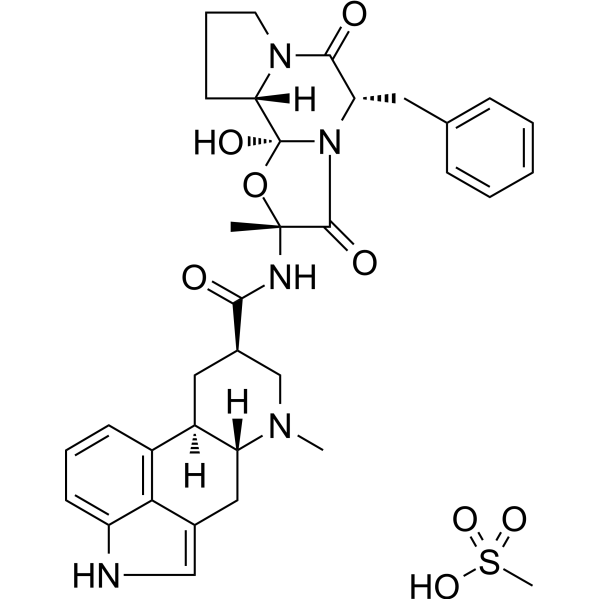 0 ImagesDihydroergotamine mesylate is a blood-brain barrier-permeable semi-synthetic ergot alkaloid, acting as a full agonist of 5-HT1B/1D receptors (Ki values of 0.3 nM and 2.5 nM, respectively; functional IC50 values of 2 nM and 2.2 nM, respectively). Dihydroergotamine mesylate inhibits Forskolin (HY-15371)-stimulated cAMP accumulation, possesses α-adrenergic receptor antagonistic activity and weak dopaminergic agonistic activity. It mediates intracranial cerebrovascular contraction, inhibits the release of neuropeptides such as CGRP/substance P, and suppresses neurogenic inflammation by activating 5-HT1B/1D receptors in the trigeminovascular system. Dihydroergotamine mesylate binds to the catalytic site of Trypanosoma cruzi trypanothione reductase and exhibits trypanocidal activity in vitro. Dihydroergotamine mesylate can be used in studies related to migraine and trypanosome infections.
-
Prazosin hydrochloride
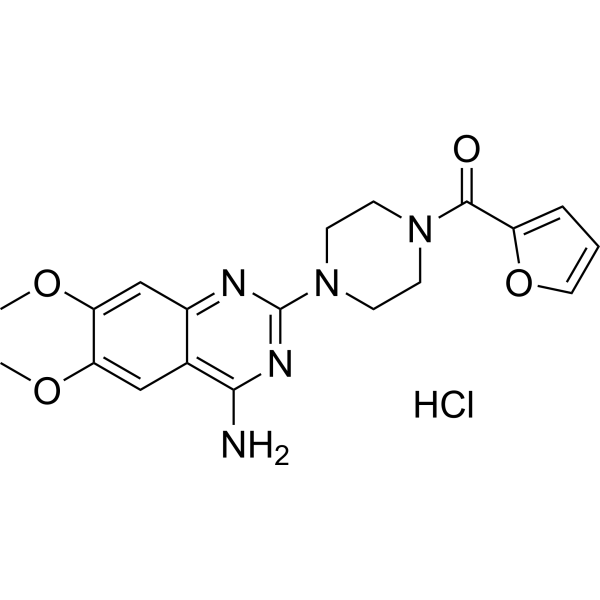 0 ImagesPrazosin hydrochloride is a well-tolerated, CNS-active α1-adrenergic receptor antagonist for the research of high blood pressure and alcohol use disorders. Prazosin hydrochloride potently inhibits Norepinephrine (NE)-stimulated 45Ca efflux with an IC50 of 0.15 nM.Prazosin hydrochloride inhibits organic cation transporters OCT-1 and OCT-3 with IC50s of 1.8, and 13 μM, respectively.
-
Prazosin
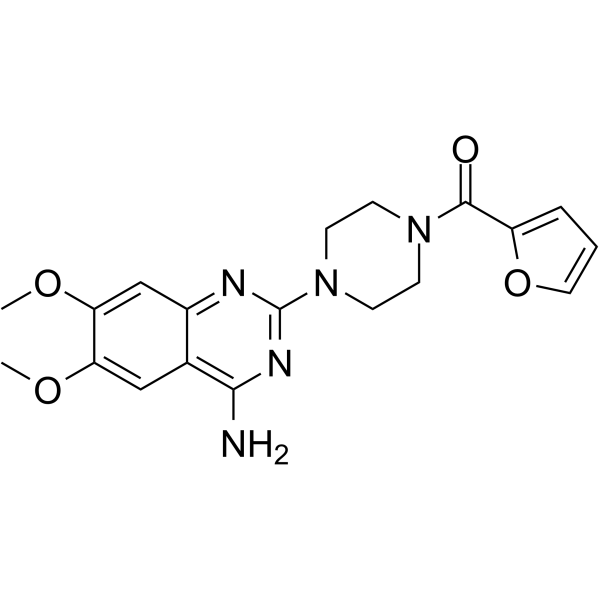 0 ImagesPrazosin is an α-adrenergic receptor antagonist. Prazosin can reduce inflammation, relieve anxiety, alleviate panic, prevent memory decline, and modulate the pain-relieving effects of opioids. Prazosin can be used in the study of hypertension and Alzheimer’s disease.
-
Zenidolol
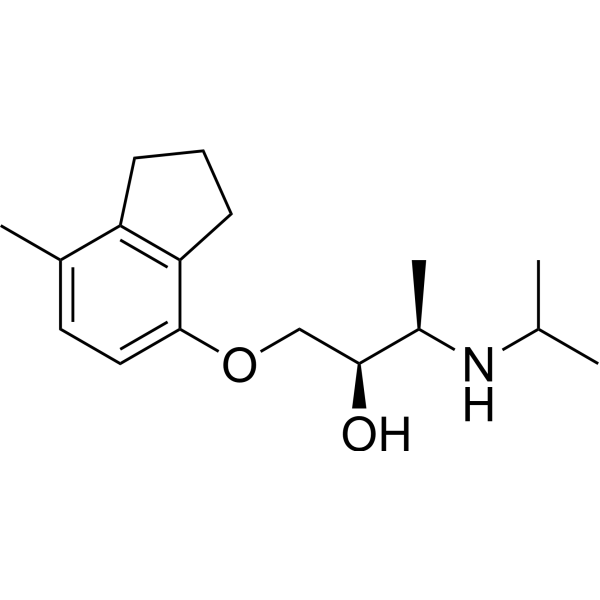 0 ImagesSynonyms: ICI-118551Zenidolol (ICI-118551) is a selective β2-adrenergic receptor antagonist with Ki values of Zenidolol for β2, β1 and β3 adrenergic receptors of 0.7, 49.5 and 611 nM, respectively. Zenidolol exerts antitumor effects via inducing apoptosis, inhibiting tumor sphere formation, and downregulating the HIF pathway by blocking β2-AR on tumor cells. Zenidolol exhibits a unique pulmonary vessel-specific vasodilatory effect in mouse models. Zenidolol can be used as an intraocular pressure-lowering agent in ophthalmic disease research.
-
Salbutamol
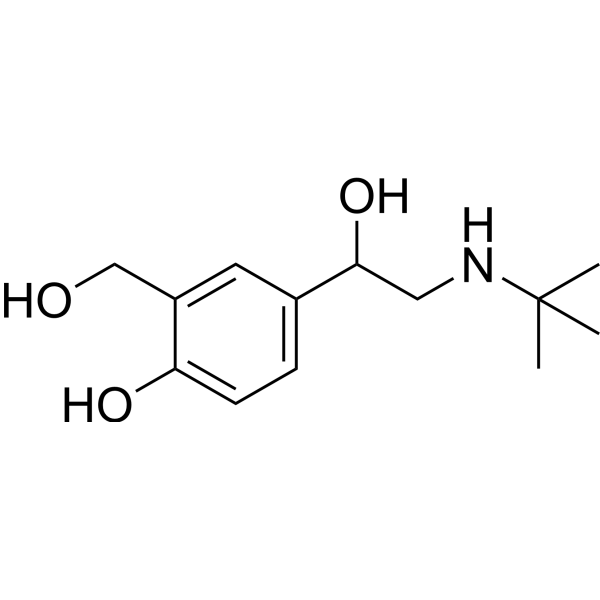 0 ImagesSynonyms: Albuterol; AH-3365Salbutamol (Albuterol) is an orally active short-acting β2-adrenergic receptor agonist. Salbutamol promotes tumorigenesis in gastric cancer cells through the β2-AR/ERK/EMT pathway. Salbutamol can relax bronchial smooth muscle and is used to study bronchospasm induced by asthma and chronic obstructive pulmonary disease.
-
Norepinephrine bitartrate monohydrate
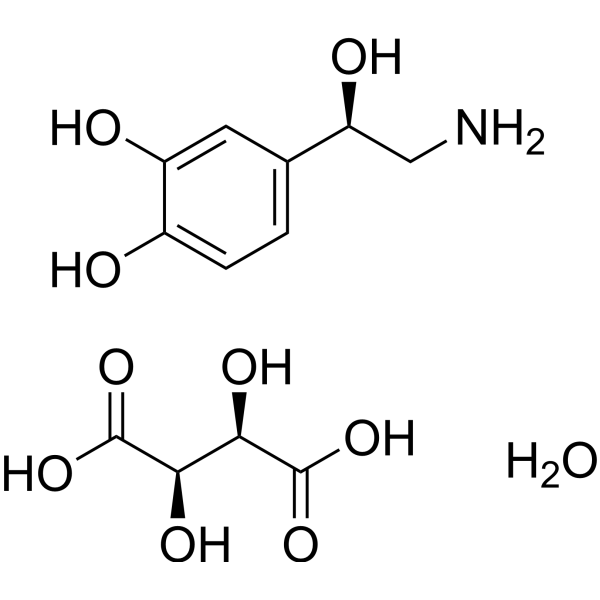 0 ImagesSynonyms: Levarterenol bitartrate monohydrate; L-Noradrenaline bitartrate monohydrateNorepinephrine (Levarterenol; L-Noradrenaline) bitartrate monohydrate is a potent adrenergic receptor (AR) agonist. Norepinephrine activates α1, α2, β1 receptors.
-
Dexmedetomidine hydrochloride
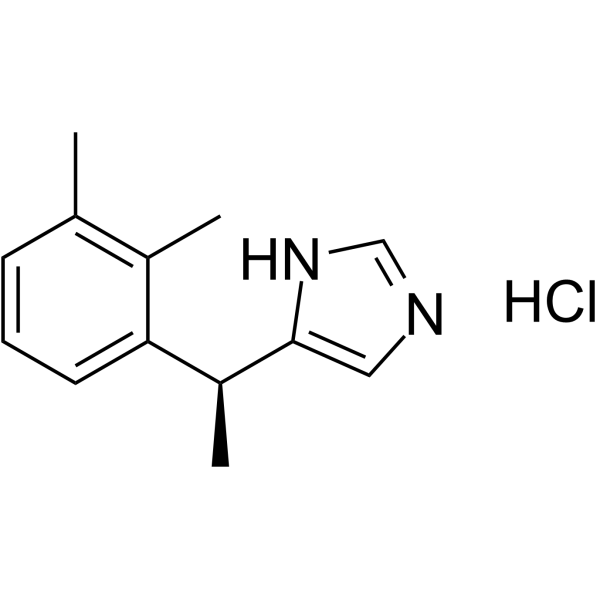 0 ImagesSynonyms: (+)-Medetomidine hydrochloride; (S)-Medetomidine hydrochlorideDexmedetomidine hydrochloride ((+)-Medetomidine hydrochloride) is a potent, selective and orally active agonist of α2-adrenoceptor, with a Ki of 1.08 nM. Dexmedetomidine hydrochloride shows 1620-fold selectivity against α1-adrenoceptor. Dexmedetomidine hydrochloride exhibits anxiolysis, sedation, and modest analgesia effects.
-
Mirabegron
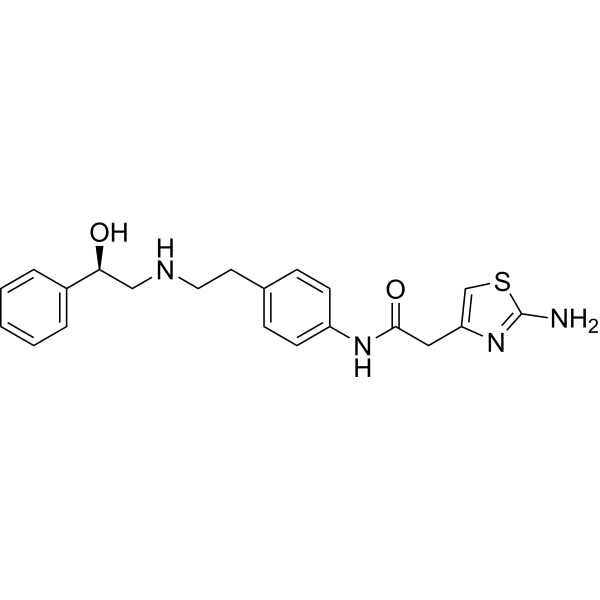 0 ImagesSynonyms: YM178Mirabegron is a selective β3-adrenoceptor agonist with EC50 of 22.4 nM.
-
Salmeterol
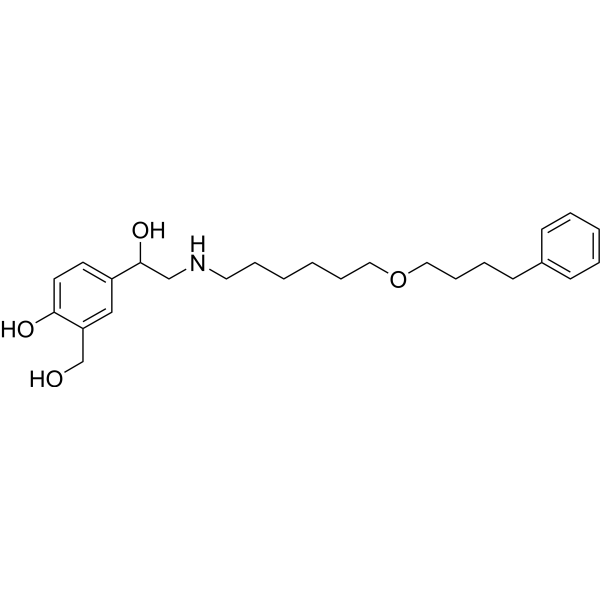 0 ImagesSynonyms: GR33343XSalmeterol (GR33343X) is a potent and selective human β2 adrenoceptor agonist. Salmeterol shows potent stimulation of cAMP accumulation in CHO cells expressing human β2, β1 and β3 adrenoceptors with pEC50s of 9.6, 6.1, and 5.9, respectively.
-
(S)-Timolol maleate
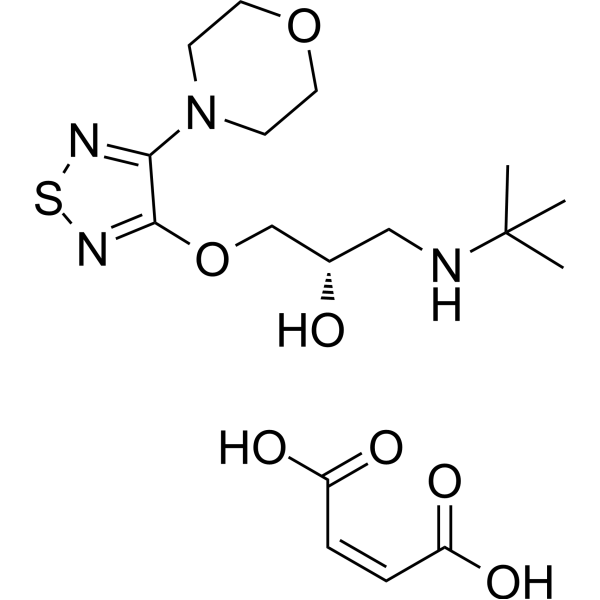 0 ImagesSynonyms: (S)-L-714,465 maleate; MK 950(S)-Timolol Maleate (L-714,465 Maleate) is a non-cardioselective hydrophilic β-adrenoceptor blocker. (S)-Timolol Maleate is widely used as standard medication for intraocular pressure (glaucoma) by preventing the production of aqueous humor. (S)-Timolol Maleate can be used for hypertension, angina pectoris and myocardial infarction.
-
Brexpiprazole
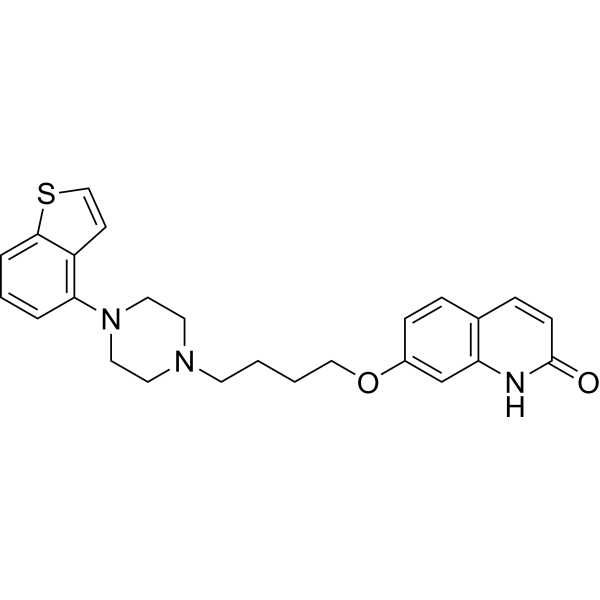 0 ImagesSynonyms: OPC-34712Brexpiprazole (OPC-34712), an atypical orally active antipsychotic agent, is a partial agonist of human 5-HT1A and dopamine D2L receptor with Kis of 0.12 nM and 0.3 nM, respectively. Brexpiprazole is also a 5-HT2A receptor antagonist with a Ki of 0.47 nM. Brexpiprazole also shows potent antagonist activity at human noradrenergic α1B (Ki=0.17 nM) and α2C receptors (Ki=0.59 nM).
-
Labetalol
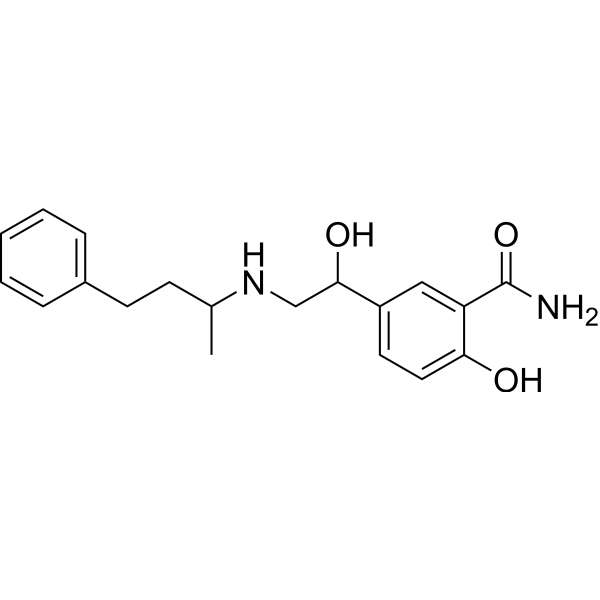 0 ImagesSynonyms: AH5158; Sch-15719W free baseLabetalol (AH5158) is an orally available, selective α1-adrenergic recepto and non-selective β-adrenergic receptor competitive antagonist. Labetalol is an antihypertensive molecule that partially crosses the blood-brain barrier and has little effect on cardiac output. Labetalol can be used in the study of cardiovascular diseases, such as hypertension during pregnancy.
-
Dobutamine hydrochloride
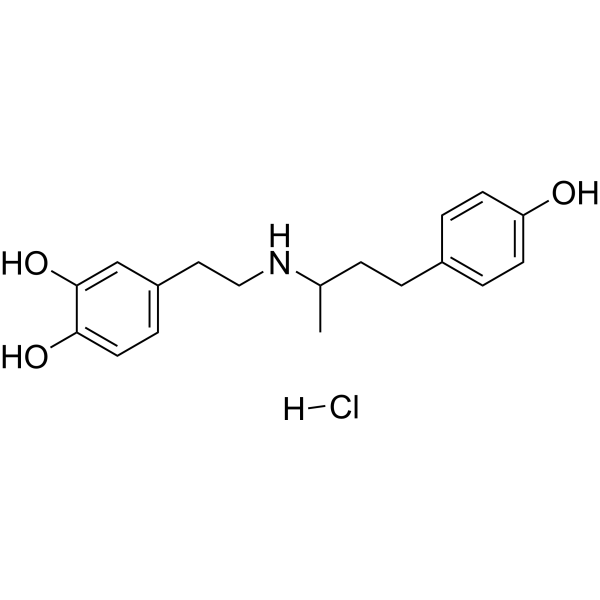 0 ImagesDobutamine hydrochloride is a synthetic catecholamine that acts on α1-AR, β1-AR, β2-AR (α-1, β-1 andβ-2 adrenoceptors). Dobutamine hydrochloride is a selective β1-AR agonist, relatively weak activity at α1-AR and β2-AR. Dobutamine hydrochloride can increase cardiac output and correct hypoperfusion.
-
SR59230A
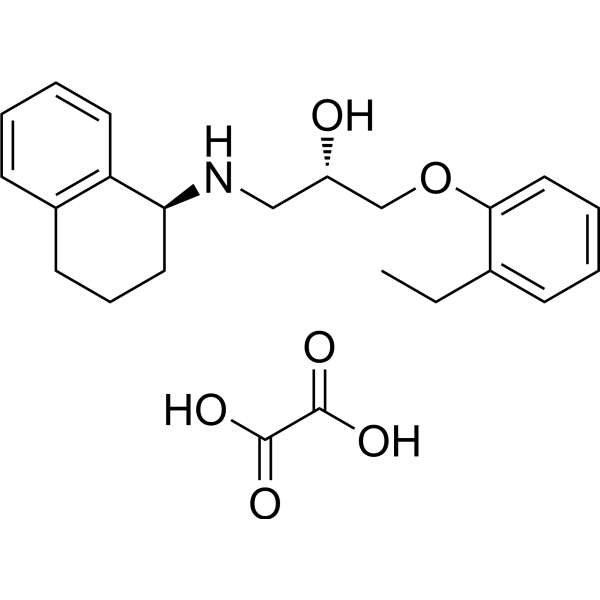 0 ImagesSR59230A is a potent, selective, and blood-brain barrier penetrating β3-adrenergic receptor antagonist with IC50s of 40, 408, and 648 nM for β3, β1, and β2 receptors, respectively.
-
Formoterol fumarate
 0 ImagesSynonyms: (±)Formoterol fumarateFormoterol fumarate ((±)Formoterol fumarate) is a selective β2-adrenoceptor agonist. Formoterol fumarate is at least as β2-adrenoceptor selective as Salbutamol (HY-B1037) and Terbutaline (HY-B0802A). Formoterol fumarate abolishs the contraction induced by Acetylcholine in bronchioles. Formoterol fumarate can be used for the research of chronic obstructive pulmonary disease and bronchial asthma.
-
Phentolamine
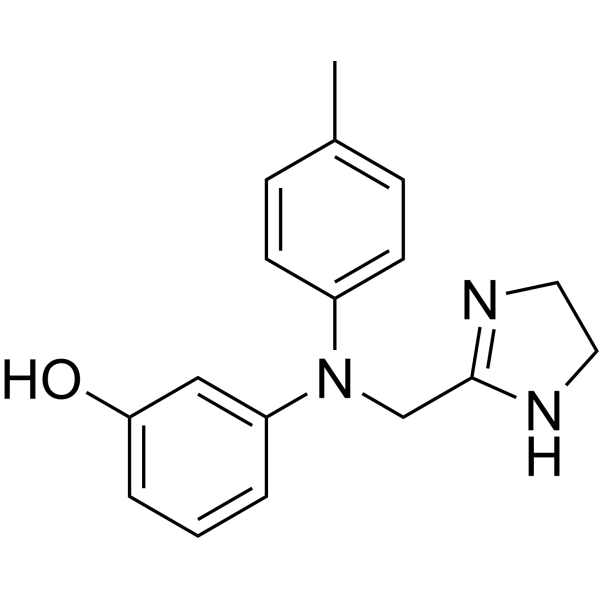 0 ImagesPhentolamine is an orally active, selective α1 and α2 Adrenergic receptor antagonist. Phentolamine antagonizes the vasodilatory effect of Cromakalim (HY-110011) on isolated circumflex coronary artery segments in dogs. Phentolamine reduces systemic vascular resistance and increases cardiac output. Phentolamine improves erectile dysfunction. Phentolamine can be used for the research of erectile dysfunction.
-
Nebivolol hydrochloride
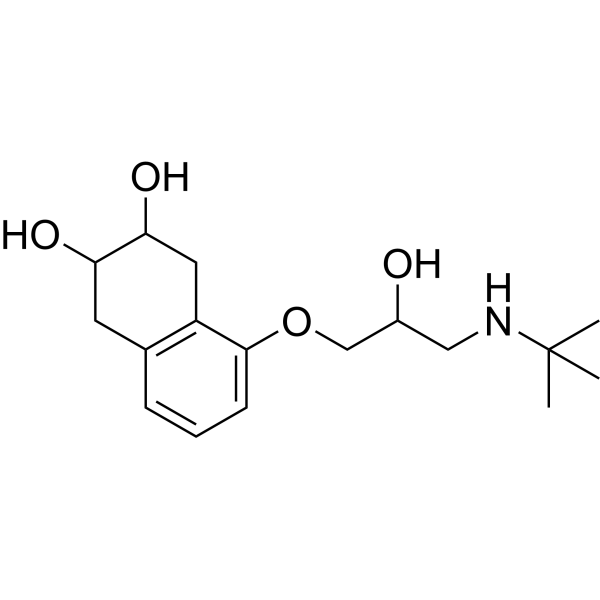
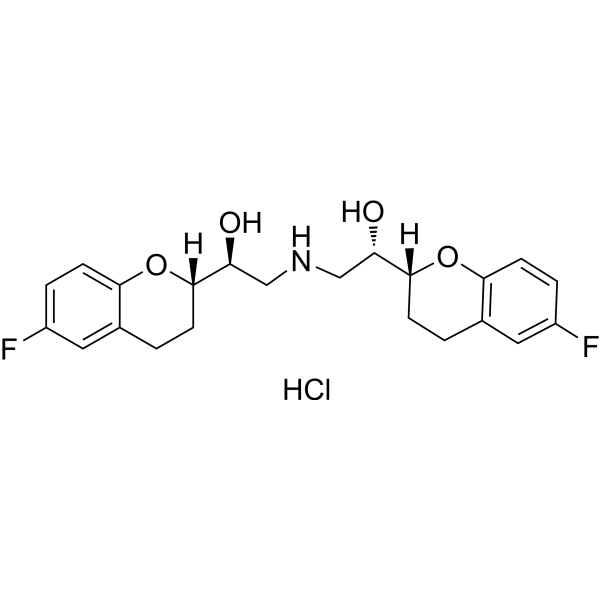 0 ImagesSynonyms: R 065824 hydrochlorideNebivolol (R 065824) hydrochloride is an orally active beta receptor blocker and has the high beta(1)-receptor affinity.Nebivolol hydrochloride has direct vasodilator properties and adrenergic blocking characteristics. Nebivolol hydrochloride can be used for the research of kinds of diseases such as hypertension, coronary artery disease, congestive heart failure and ischemic heart disease.
-
Silodosin
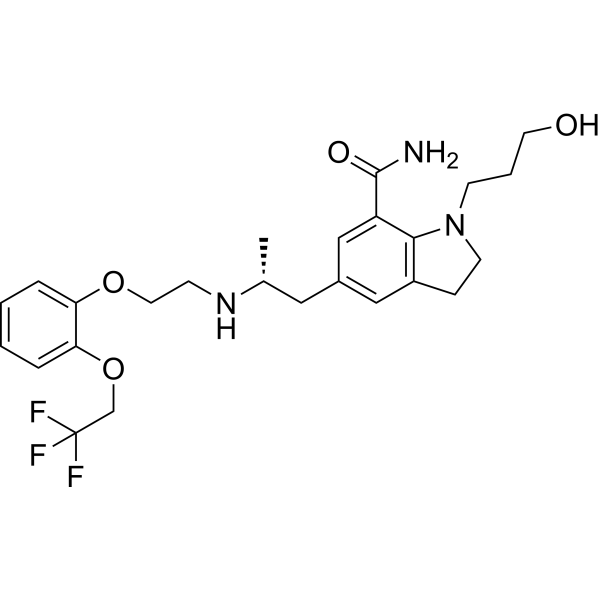 0 ImagesSynonyms: KAD 3213; KMD 3213Silodosin (KAD 3213; KMD 3213) is a potent, selective and orally active α1A-adrenergic receptor (α1A-AR) blocker. Silodosin exhibits high affinity for α1A-AR (Ki=0.036 nM), over 162-fold and 50-fold than for α1B-AR and α1D-AR with Ki values of 21 nM and 2.0 nM, respectively. Silodosin is an effective and well-tolerated agent, it can be used for the investigation of LUTS/BPH.